
Introduction of boiler feed pump factory I. Common Working Conditions High - pressure and High - temperature Environment Boiler feed pumps are often used in high - pressure and high - temperature conditions. They are designed to handle water with temperatures typically ranging from 100°C to...
Introduction of boiler feed pump factory
I. Common Working Conditions
High - pressure and High - temperature Environment
Boiler feed pumps are often used in high - pressure and high - temperature conditions. They are designed to handle water with temperatures typically ranging from 100°C to well above the saturation temperature corresponding to the boiler operating pressure. For example, in power plants with sub - critical or super - critical boilers, the feed water pressure can be several tens to hundreds of bar. Under such high - pressure conditions, the pump's components need to be able to withstand significant mechanical stress.
Continuous Operation
These pumps usually operate continuously for long periods. In industrial boiler systems, whether in thermal power plants or large - scale industrial steam generation facilities, they are required to provide a stable and continuous supply of feed water to the boiler. This continuous operation demands high reliability and durability from the pump to avoid any disruptions in the boiler operation that could lead to reduced efficiency or even shutdowns.
Variable Load Conditions
Boiler feed pumps may also experience variable load conditions. The demand for feed water can change depending on the load of the boiler. For instance, during peak power generation periods in a power plant, the boiler operates at a higher load, requiring a higher flow rate of feed water. Conversely, during off - peak times or when the boiler is ramping down, the feed water demand decreases. The pump needs to be able to adjust its output to match these varying requirements efficiently.
II. Application Range
Power Generation Industry
In thermal power plants, boiler feed pumps are crucial components. They supply feed water to steam boilers that generate steam to drive turbines for electricity production. Whether it's a coal - fired, gas - fired, or oil - fired power plant, these pumps ensure the proper operation of the boiler by maintaining the correct water level and flow rate. The size and capacity of the pumps used in power plants are usually very large to meet the high - volume requirements of the boilers.
Industrial Steam Generation
Many industrial processes require steam, such as in chemical plants, refineries, and paper mills. Boiler feed pumps are used in these industrial boiler systems to supply the necessary feed water. They help in maintaining the steam production process, which is essential for various manufacturing operations. For example, in a chemical plant, steam may be used for heating reactors or distillation columns, and the boiler feed pump ensures a reliable supply of steam by providing the right amount of feed water to the boiler.
District Heating Systems
In district heating systems, boilers are used to produce hot water or steam for heating buildings. Boiler feed pumps play a vital role in these systems by supplying the feed water to the boilers. They ensure the continuous operation of the boilers to provide heat to residential, commercial, and industrial buildings within the district.
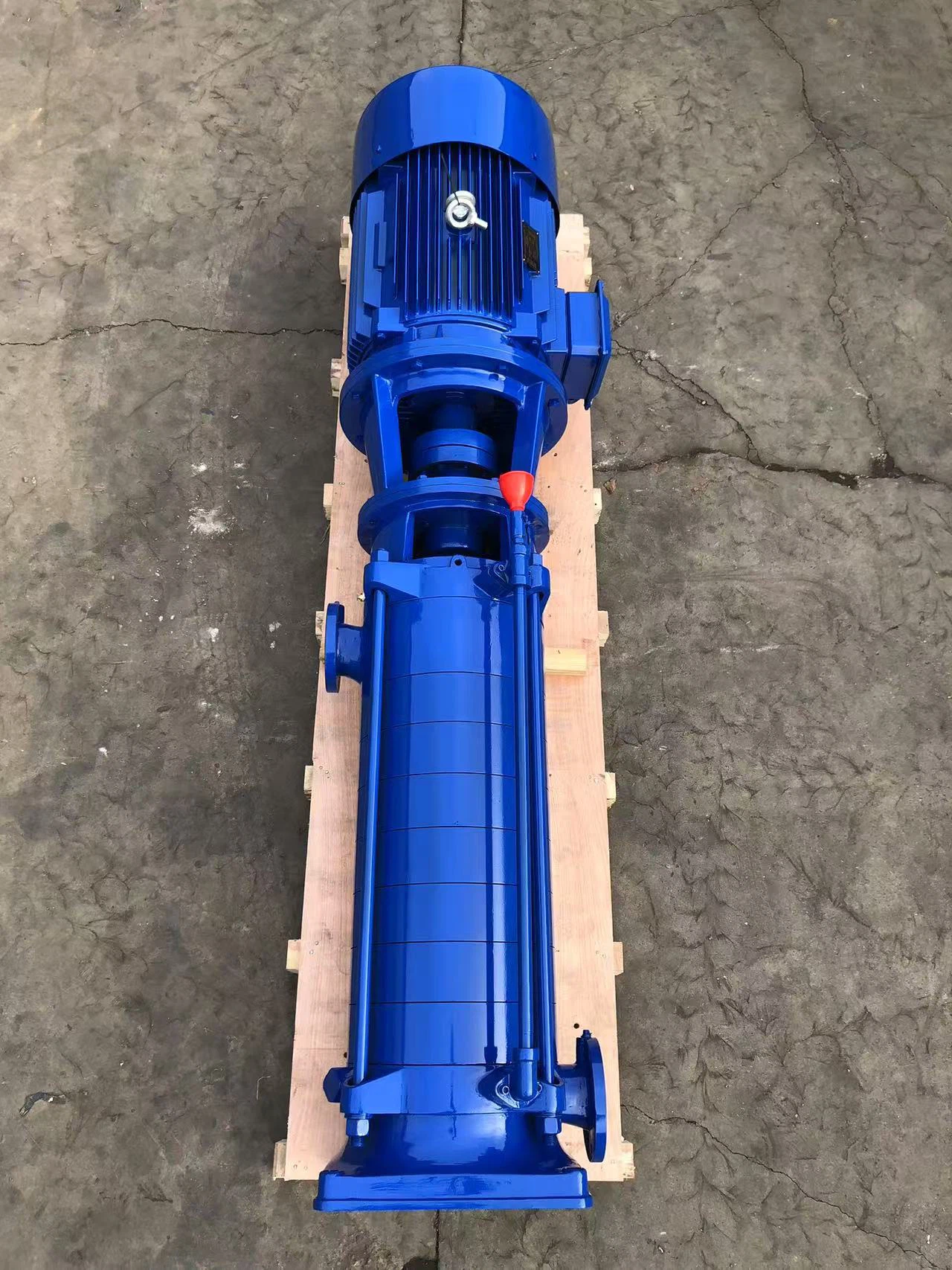
III. Parameters for Selecting Models
Flow Rate
The flow rate of the boiler feed pump is a crucial parameter. It is determined by the steam generation rate of the boiler. The flow rate should be sufficient to supply the amount of water needed to maintain the boiler's operation under different load conditions. It is usually measured in cubic meters per hour (m³/h). In large - scale power plants, the flow rate of the feed pump can be several thousand cubic meters per hour.
Head (Pressure)
The head or pressure that the pump can generate is another important factor. It must be able to overcome the pressure difference between the feed water source and the boiler operating pressure. This includes not only the static pressure of the boiler but also any additional pressure losses in the piping system. The pressure is typically measured in meters of water column (mWC) or bar. High - pressure boilers require feed pumps with correspondingly high heads.
Temperature Tolerance
Since the feed water can be at high temperatures, the pump must be able to handle the specific temperature range of the application. The materials used in the pump construction should be suitable for the operating temperature to prevent damage due to thermal expansion, corrosion, or other temperature - related issues.
Efficiency
The efficiency of the boiler feed pump is an important consideration as it affects the overall energy consumption of the boiler system. Higher - efficiency pumps can reduce the power required to operate the pump, resulting in cost savings. The efficiency is usually expressed as a percentage and is determined by the design and performance characteristics of the pump.
IV. Advantages
High - efficiency Operation
Boiler feed pumps are designed with advanced hydraulic designs to achieve high - efficiency operation. Their impellers and volutes are carefully engineered to minimize energy losses during the water transfer process. This high efficiency not only reduces the energy consumption of the pump but also contributes to the overall energy efficiency of the boiler system, resulting in lower operating costs.
Reliability and Durability
These pumps are built with high - quality materials and precise manufacturing techniques. The components are designed to withstand the harsh conditions of high - pressure, high - temperature operation. The use of robust materials such as special alloys for the casing and high - strength impeller materials ensures long - term reliability and durability. This reduces the frequency of maintenance and replacement, minimizing downtime in the boiler operation.
Space - saving Design
Boiler feed pumps often have a compact design considering the space limitations in boiler rooms and power plant layouts. Their vertical or horizontal configurations are optimized to fit within the available space while still providing the required performance. This space - saving design allows for more efficient use of the plant area and simplifies the installation process.

Advanced Control and Monitoring Capabilities
Modern boiler feed pumps are equipped with advanced control systems. These systems can adjust the pump's speed and output according to the boiler's demand, ensuring optimal operation. Additionally, they have monitoring features that can detect any abnormal conditions such as vibration, temperature changes, or pressure fluctuations. This allows for early warning and preventive maintenance, further enhancing the pump's reliability and the safety of the boiler system.
Hot Tags: boiler feed pump factory, made in China, China, manufacturers, factory, quotation, price list


