Centrifugal pump is a combination of rotating parts (such as shaft, impeller, shaft sleeve, etc.) and stationary parts (such as pump shell, stuffing box, bearing box). Space or clearance needs to be left between the rotating part and the stationary part to avoid wear of mechanical parts. Through the clearance, the pressure fluid in the pump housing may leak to the surrounding atmospheric environment. Traditionally, gland ropes or packing are used to seal the gap. O-rings, gaskets / plates and airfoil seals are used to seal stationary parts, so these are called static seals. Labyrinth seals, lip seals and mechanical seals are used to seal the rotating shaft, so they are called dynamic seals. After World War II, the sealing rope was replaced by mechanical seal. Mechanical seals are also called face seals.
Mechanical seal is a key component in centrifugal pump. It prevents the leakage of pressure fluid by friction between moving ring and stationary ring with very smooth contact surface.
Mechanical seal type -- China Mechanical Seal Acid Cleaning Chemical Pump
The most common types of mechanical seals in centrifugal pumps include:
1) Balanced seal
2) Unbalanced seal
3) Push seal
4) Unsealed propulsion
5) Traditional seal
6) Cartridge seal
7) Split seal
Composition of mechanical seal -- China Mechanical Seal Acid Cleaning Chemical Pump
A typical relatively simple mechanical seal consists of the following basic components:
1) Floating ring (commonly known as moving ring) or rotating part of main seal
2) Stationary ring (commonly referred to as stationary ring) or stationary part of main seal
3) Secondary seal or O-ring
4) Spring or bellows
5) Spring retaining ring (locating ring)
6) Gland
A centrifugal pump with a typical mechanical seal is shown in Figure 1
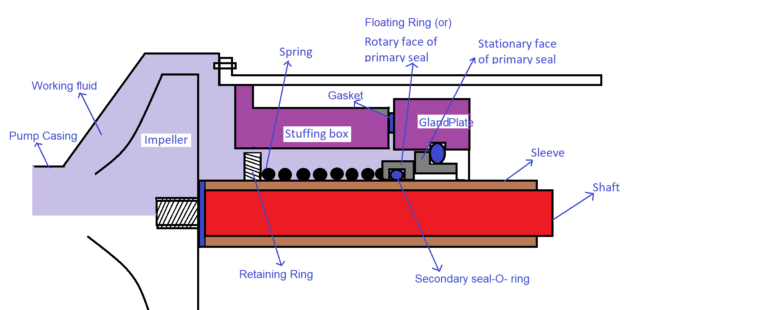
Figure 1: a typical relatively simple mechanical seal
5 different sealing points of mechanical seal -- China Mechanical Seal Acid Cleaning Chemical Pump
The above typical mechanical seal has five different sealing points (see Figure 2) to prevent the leakage of pressure fluid into the surrounding atmospheric environment.
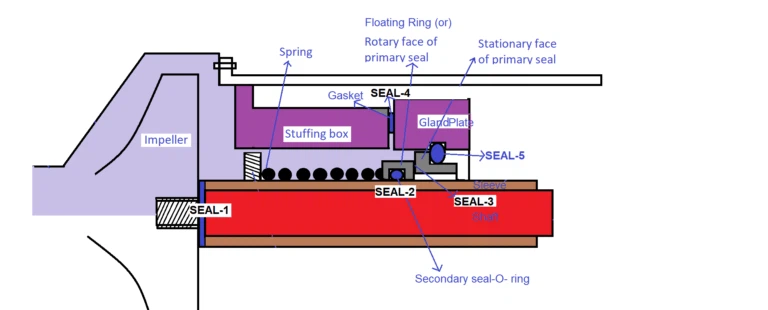
Five different sealing points of a typical mechanical seal
Sealing point 1: sealing between shaft sleeve and shaft
The seal is located between the impeller, shaft and shaft sleeve, as shown in Figure 2, and the gasket is sealed. It prevents fluid from leaking through the gap between the shaft and the shaft sleeve (see Figure 3). It is the seal of the rotating impeller to the rotating shaft and shaft sleeve. There is no relative movement between parts during operation. The arrow in Figure 3 indicates the possible leakage path if the seal (gasket) fails.
Note: as for the seal between pump shaft and shaft sleeve, for API pump, O-ring seal is generally used.
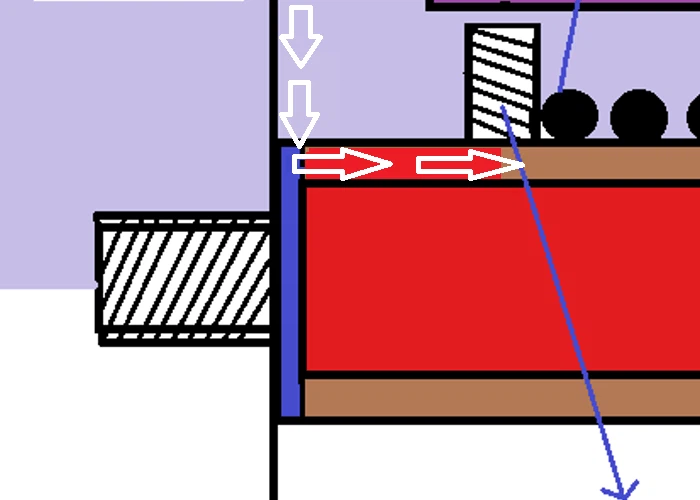
Figure 3: mechanical seal - sealing point 1
Sealing point 2: auxiliary seal-o-ring
The seal is located between the floating ring and the shaft sleeve, as shown in Figure 2, i.e. O-ring. It prevents fluid leakage through the gap between the floating ring (rotating part of the main seal) and the shaft sleeve, as shown in Figure 4. The seal rotates relative to the rotating part. During operation, the shaft sleeve and O-ring move relatively. The arrow in Figure 4 indicates the possible leakage path if the seal fails.
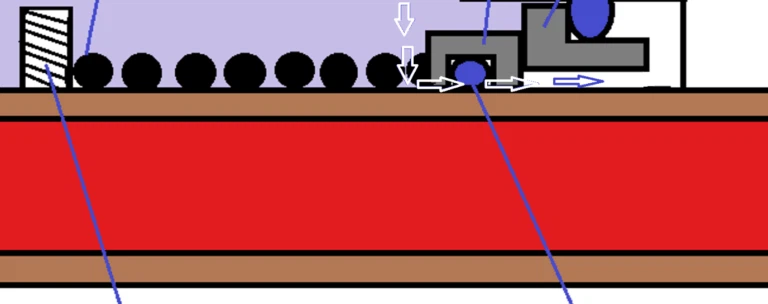
Figure 4: mechanical seal - sealing point 2
Sealing point 3: main seal
The rotating part and the stationary part are sealed by the rotation (mutual friction) of the floating ring relative to the stationary ring. Due to the spring force (the spring has a preload of 2 mm to 3 mm) and hydraulic load (the fluid pressure acting on the sealing surface), the floating ring and the stationary environmental protection remain in place. The seal rotates relative to the stationary part seal. The arrow in Figure 5 indicates the possible leakage path if the seal fails.
Note: function of spring / bellows
1) By moving the floating ring axially, the wear of the sealing surface is automatically compensated.
2) Automatically adjust the (dislocation) misalignment of the sealing surface.
3) Adapt to the axial thermal expansion of the sealing ring. The heat generated by the contact between the sealing surfaces may lead to the thermal expansion of the sealing ring.
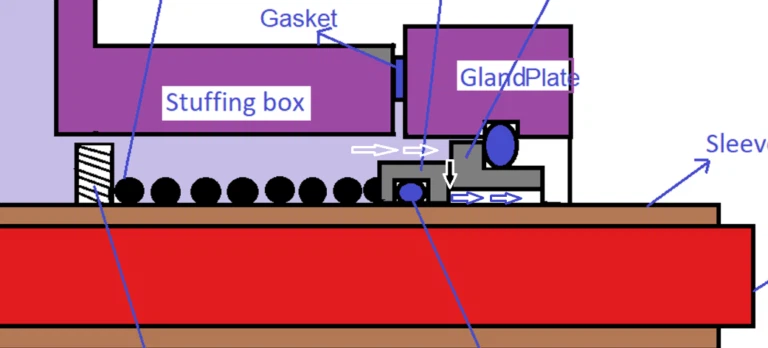
Figure 5: mechanical seal - sealing point 3
Sealing point 4: sealing between stuffing box and gland
The seal is located between the stuffing box and the gland (gasket), which is a static seal. The arrow in Figure 6 indicates the possible leakage path if the sealing gasket fails
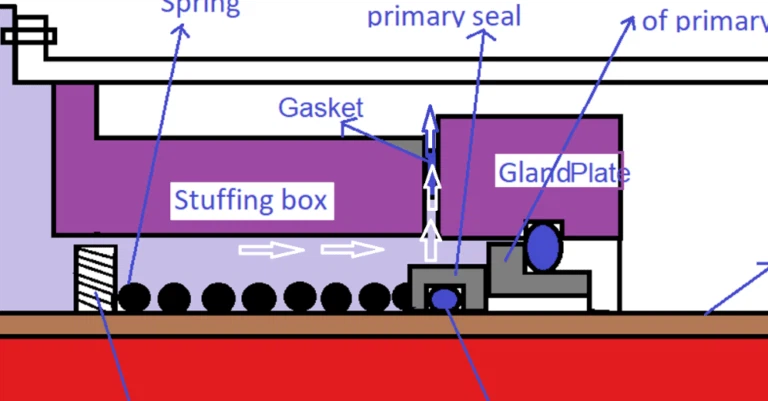
Figure 6: mechanical seal - sealing point 4
The seal is located between the stationary ring and the sealing gland, which is a static seal. The arrow in Figure 7 indicates the possible leakage path if the sealing gasket fails.
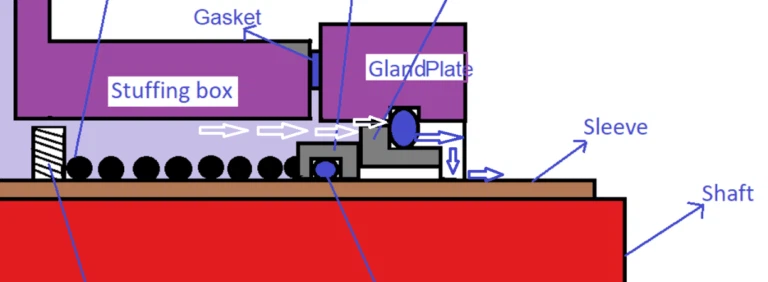
Figure 7: mechanical seal - sealing point5


