Brief Introduction
Does the pump require antifreeze measures? Many people worry that pumps in use are easy to freeze or even freeze at low temperatures. The liquid in the water pump should be discharged in winter, because it may freeze when encountering sub zero low temperature in winter. After freezing, the internal volume of the pump will expand. This expansion force will cause the pump body to burst. Therefore, the antifreeze of the pump is also needed in later maintenance work.
When it comes to water pumps, most people think they are just mechanical equipment, but in fact, pumps have been used in various industries and fields. In addition to well-known applications such as industry, fire protection and farmland irrigation, water pumps have been used in our families and are more closely related to our daily life.
In fact, the maintenance and protection of the water pumps are also very important. To enable our pumps to be used effectively and extend their service life, especially in cold winter weather conditions. So, what are the antifreeze measures of water pumps in winter?

The antifreeze measures of the water pump include the following aspects:
1)After the pump is in use or in a non-hot standby state, the water stored in the pump should be drained and remove the soil outside the pump body in the cold winter to prevent the pump body and water pipe from expanding and cracking.
2)For cast iron components such as pump bottom valves and elbows, it is recommended to use a steel wire brush to remove rust, paint against rust, and then repaint. After the dry paint, store it in the machine room or space with good ventilation conditions.
3)For belt-driven water pumps, remove the belt and wash it with warm water in the winter months, and store it in a dry, direct sun-free environment. Do not place it in environments with oil stains, corrosion, and smoke. Do not touch oily substances such as engine oil, diesel oil or gasoline, and do not apply rosin and other sticky substances.
4)Check the ball bearing of the water pump. In case of any problems, such as wear, roughness, ball wear, or surface spots, timely replacement is recommended. For bearings that do not require replacement, clean the bearings with oil or kerosene, apply butter, and reinstall them.
5)Check the pump impeller for cracks or small holes, and whether the impeller nut is loose. Repair or replace it promptly, if necessary. If the impeller is overworn or damaged, replace the new impeller. If the impeller is partially damaged, the impeller can be repaired with an epoxy mortar. The repaired impeller shall be subjected to a static balance test and check its clearance. If the specified value is exceeded, it should be repaired or replaced.
6)For a severely worn or bent pump shaft, it shall be repaired or replaced to cause a pump rotor imbalance or wear of other components.
7)The removed screws shall be cleaned with a wire brush, soaked in diesel oil, coated with oil or butter, and then reinstalled and placed. It can also be soaked in diesel for long-term storage to prevent rust or missing screws.
8)Maintain the water current in the pump for a long time. The opening of the pump valve is suitable for the pump reversal. If it is a backup pump, maintain the inlet / outlet flow of the pump.
9)Check the water pump cooling water. Open the water valve on the pump cooling water slightly to keep the pump cooling water open
10)Finally, pay attention to check the lubricating oil of the water pump, often drive. 
Protection
1)After the pump is used, make sure the reservoir is drained and check that the pipe is sinking. If there is water in the place, it should be discharged to ensure that the water stored in the pump is discharged normally after the pump is stopped and discharged.
2)The Use of cotton wool, towels, waste clothes and other packages exposed to the outdoor water pumps, water pipes and faucets and other water facilities, in order to achieve the thermal insulation effect.
3)For frozen pumps and water pipes, wait for the ice to melt before opening the pump, otherwise it may damage the pump or cause mechanical failure.
4)The thawing method recommends putting a hot towel on the hose and rinse with warm water. Do not directly use fire or boiling water to avoid pipe or pump rupture.
The main component of the antifreeze water pump in winter is the cooling water line and the water valve of the water pump. The thawing measures of the water pump are also in a certain order. First, rinse with cooling water and do not purge directly with steam in case the pump is breaking due to uneven heat expansion. After normal start, the pump body can be purged with steam.
Nowadays, many families often use small self-priming booster pumps. Its winter maintenance and antifreeze measures are similar to water pumps.
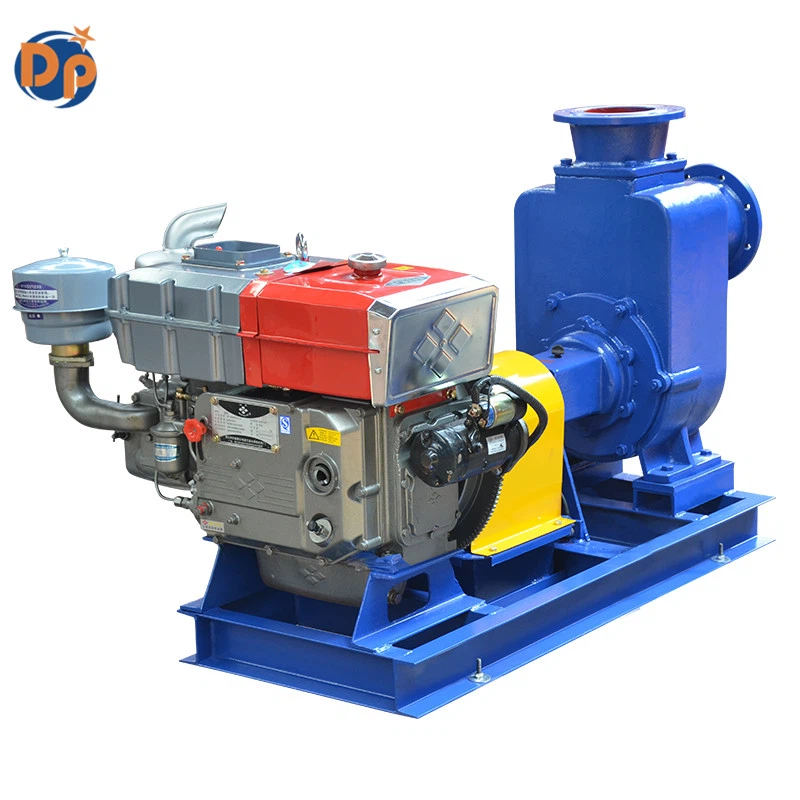
Maintenance
1) After the self-priming booster pump is stopped in winter, all the water stored in the pump and the pipeline must be removed, and the external dirt and dust must be removed.
2) Check and update the vulnerable parts of the water pump regularly (impeller, bearing, sealing ring, check valve, etc.).
3) Clean the iron cast parts of the water pump and paint with anti-rust paint, and store it in a ventilated dry place after drying.
4)Clean the removed screws with diesel oil and grease to prevent corrosion or loss.
Please contact me feel free if you want know more information.
Shirley S.
Phone/WA: +86 13932278621
Email: admin@deponpump.com
Website: www.deponpump.com


